What Buyers Notice Within the First 30 Seconds of Walking Into a Home
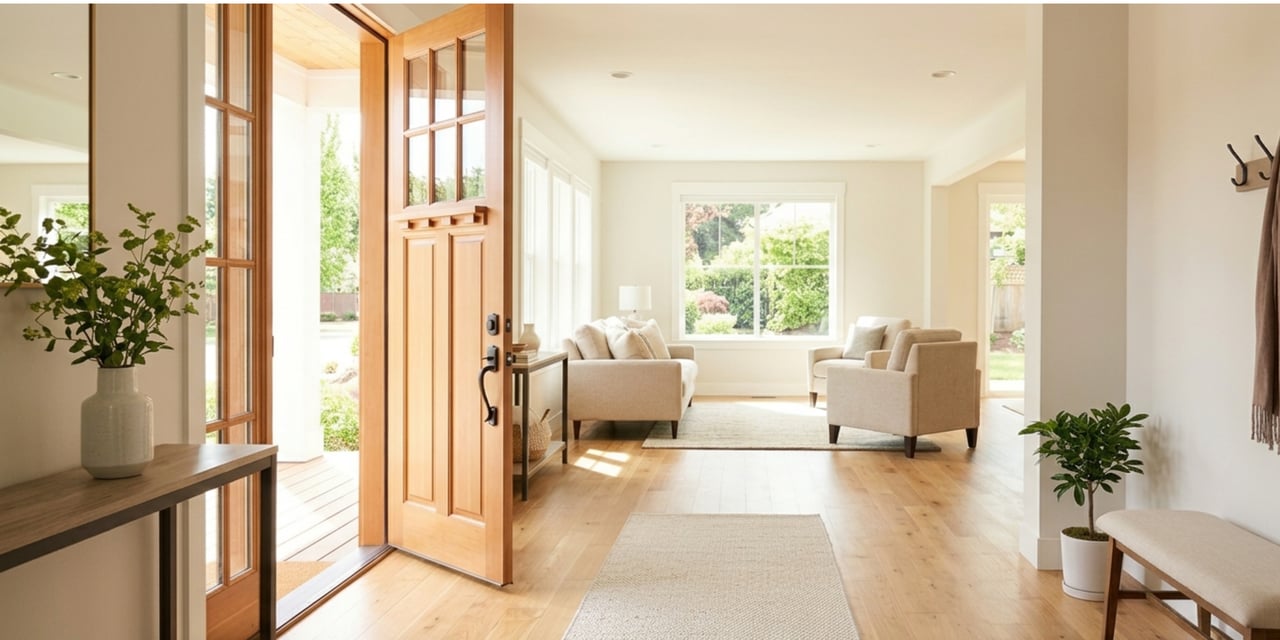
Before a buyer has checked a single room, before they have opened a closet or tested a tap, the decision is already forming. The first half-minute in a home is more powerful than almost any feature on the listing sheet.
There is a well-known figure that gets repeated in real estate circles: buyers form an opinion of a property within the first seven seconds. That number is probably too generous. In practice, the emotional verdict arrives faster, and it arrives before any rational thought has had a chance to catch up.
This matters more today than it did a few years ago. In 2026, buyers are entering homes carrying a real financial weight. Monthly payments are still elevated, affordability is stretched, and almost everyone walking through your door has done their homework. They are not browsing. They are evaluating. The moment they step inside, something instinctive kicks in, a feeling of either comfort or concern, and that feeling quietly shapes everything that follows.
Understanding what triggers that feeling is one of the most practical things a seller can do.
Not see. Feel. Natural light has a physiological effect on people. It lifts mood, expands perceived space, and creates an immediate sense of openness. The moment a buyer steps through the front door, the quality of light in that first room tells them something about whether this place is welcoming or not.
Homes that are dark or dim on arrival put buyers in a subtle state of caution. They start looking for reasons to feel uncertain. Homes that are bright tend to generate the opposite response. Buyers relax, they slow down, they start imagining themselves in the space. It happens without a word being spoken.
Open the blinds. Remove heavy drapes. Clean the windows. These are not staging clichés; they are genuinely the simplest way to influence how someone feels the second they arrive.
This one is uncomfortable to talk about, but it matters too much to gloss over. The olfactory system connects directly to the brain's emotional centers in a way that no other sense does. A smell can produce a strong emotional response before the conscious mind has processed it at all.
Pet odor, cigarette smoke, damp, and cooking smells are the most common offenders. Buyers who encounter any of these in the first few seconds start wondering what else might be wrong with the property. A smell they cannot identify is often worse than one they can, because the unknown signals neglect.
The goal is not to mask smells with heavy fragrances, which can be equally off-putting and occasionally raises its own suspicions. The goal is genuine freshness: good ventilation, a clean home, and neutral air. That is all. It is harder to achieve than it sounds when you have lived in a home for years, which is why a second opinion from someone who has never been inside is often worth asking for.
"The goal is not to mask smells with heavy fragrances. The goal is genuine freshness — something that only comes from a properly prepared home."
Buyers do not consciously measure square footage as they walk in. But their perception of space is immediate and visceral. A home that feels cramped on arrival creates a sense of constraint that is surprisingly hard to shake, even when the rooms themselves are a perfectly reasonable size.
Clutter is the primary culprit. Visual clutter signals disorder, but it also physically compresses the apparent volume of a room. Oversized furniture does the same. Anything sitting on a floor that does not need to be there, shoes, bags, boxes, decorative objects, reduces the sense of openness.
There is a psychological component here too. A crowded space subtly suggests that the home cannot comfortably contain a life lived inside it. Buyers today are committing to substantial mortgage payments. They need to feel that they are buying enough room, and that feeling begins in the first room they enter.
A scuffed baseboard. A stain on the ceiling. A door handle that wobbles. Any of these, spotted in the first thirty seconds, introduces a thought that is very difficult to reverse: what else has been left undone?
This is not about buyers expecting perfection. Cosmetic wear is generally understood and accepted. What shifts buyer psychology is the perception of neglect, the sense that the home has not been properly looked after. In a market where buyers are cautious about long-term costs, any suggestion that a property carries hidden maintenance issues is deeply unsettling.
The entry and main living areas receive the most scrutiny in those first moments. Repainting, touching up trim, and replacing anything visibly broken in these spaces is work that pays for itself in the confidence it creates. A home that reads as cared for gives buyers permission to stop looking for problems.
The layout of a home, how one room connects to the next, whether the path from the entrance feels natural or awkward, registers almost immediately. Buyers rarely articulate it directly. They will say a home "felt right" or "felt a bit off." What they are usually describing is the flow.
There is not a great deal a seller can do about the architecture of their home, but there is something they can do about how that architecture is experienced. Clear pathways. Furniture positioned to guide rather than obstruct. A sight line from the entry that reveals something appealing, a window, a well-lit room, a view. These are small decisions that quietly reinforce the sense that the home makes sense to move through.
When buyers feel comfortable moving through a space, they spend more time in it. More time means more emotional investment. More emotional investment changes how they think about price.
In the current market, there is a specific thing buyers are looking for that goes beyond aesthetics. They want confidence. The combination of higher prices and sustained borrowing costs has made buyers more risk-averse about the homes they purchase. A property that feels move-in ready does not just look appealing. It feels financially safer.
When buyers walk into a home that has been thoughtfully prepared, they are not just seeing a clean house. They are receiving a signal about what ownership of that property will be like. It suggests a history of care. It reduces the mental calculation of what might need to be fixed or replaced in year one or year two. That reduction in perceived risk often translates directly into a willingness to offer, and to offer at the asking price.
Presentation that communicates readiness is not a luxury consideration in 2026. It is a competitive requirement.
Every buyer will tell you they are being rational about their search. They have a list of requirements, a budget, a plan. But the homes they make offers on are almost always the ones they felt something about. Emotion leads, and logic follows, usually in the form of a justification.
This is not a flaw in how buyers think. It is how humans are built to assess environments, and it operates independently of experience or financial sophistication. A seasoned investor and a first-time buyer are both subject to the same thirty-second impression.
What sellers can control is what produces that impression. Light, smell, space, order, and condition are not mysterious variables. They are knowable, manageable, and when handled correctly, capable of changing the emotional outcome of a showing before a single conversation takes place.
The buyers walking through homes right now are thoughtful, selective, and under real financial pressure. They are not going to talk themselves into a property that gave them a bad first feeling. They are also not going to resist a home that gave them a good one.
Preparation is not about staging for staging's sake. It is about understanding how people experience homes, and giving them the best possible first thirty seconds. Everything that follows is easier from there.
Stay up to date on the latest real estate trends.

September 15, 2026

August 31, 2026

August 6, 2026

July 6, 2026

June 30, 2026

June 10, 2026
May 8, 2026

April 27, 2026

April 13, 2026
You've got questions and we can't wait to answer them.